
The web has added to the rules of traditional political campaigning – it hasn’t replaced them.
Good candidates and effective campaigns win elections.
Campaign websites and social media are ways to communicate with voters, not an end in themselves. Online support only matters if you can translate it into votes. If all your campaigning consists of sending Tweets and posting Facebook updates, then you are going to be in trouble. The ultimate goal of any political campaign –– is to get people to the voting booth and cast a ballot. It’s a simple idea that it cannot be emphasised enough.
The only thing more important than having a campaign website is the content within it. Tell voters who you are, where you stand on the issues, how they can volunteer and donate, and how they can help spread the word about your campaign. Use your website as the hub of your online campaign.
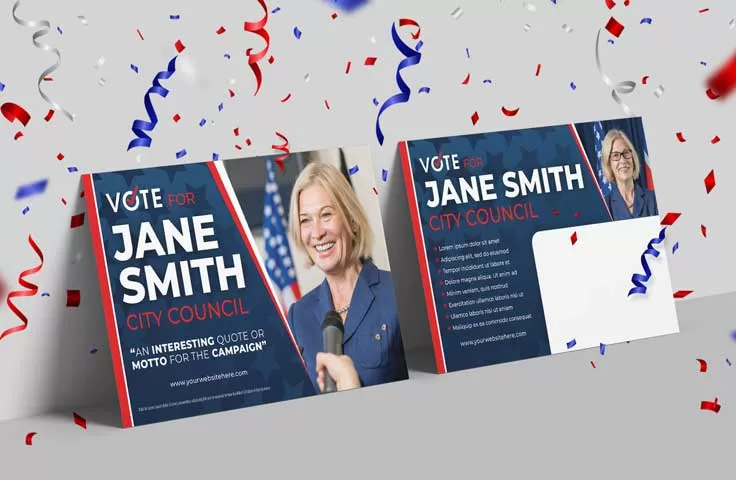
The candidate may know why they are running, but has never had to put that reason to words. One way to distil a campaign to its essence is to break it down as if everything had to fit in a single brochure. This means creating effective sub-headers, short sentences and bullet-point lists. The elements that make material readable for a brochure also makes it readable online.
Writing content for a home page or issue page generally comes down to :
- Why a candidate is running or how they see an issue(s).
- How they will address an issue(s) and perhaps why they are qualified to deal with the issue.
- Followed with a call to action of some type for each page. This includes ‘vote for’, ‘support’ and ‘donate’ requests.
The ultimate goal of any political campaign – is to get people to the voting booth and cast a ballot. It’s a simple idea that it cannot be emphasised enough.
It’s not about fundraising, it’s not about drawing big crowds, and it’s not even about getting high public approval ratings. All those things are good, but they are simply mean to an end.
“A lot of supporters thought I was going to win, so they didn’t bother to go out and vote. Turnout was low, and I lost.”
Never let your supporters grow complacent. Even if your race is a cakewalk and your opponent is an incompetent candidate with nothing going for them, make it the race of your life. The closer you get to voting day, the more you need to remind voters that only their support will help you win, and without their vote, you won’t win.
Every vote counts. If someone doesn’t have the means to get to the polls, help them. Organise volunteers to drive voters to the polls. Add voting information to all of your end-of-campaign communications. Local elections are often won by the thinnest of margins. Don’t let anyone forget that, because in the end you need more than ‘supporters’ or ‘popular’ support, you need the voter turnout
After all, good intentions in politics mean nothing unless it’s backed by a vote.
People are busy. They may every intention of voting for you, but when the day comes they just may forget to do it. As Election Day draws near, you should increase your online voter contact via email, social media, text messaging and campaign website updates. Provide voting information, offer rides to polls to those who cannot easily get there, and request for volunteers to help in that effort. Even on Election Day, provide updates throughout the day to let people know what is happening and to keep them from forgetting to vote.
